No two organizations are alike, but after spending years in the small business financial consulting industry, I can tell you one thing: every business needs to maximize cash flow. Notice that I said cash flow and not profits. While you need profits to survive and thrive, you can’t get the numbers you want without successfully managing your cash flow.
The concept of cash flow is pretty simple: it’s the money that goes in and comes out of your business to keep operations going. Although this seems easy to manage, lots of different factors can complicate this process and make it difficult to achieve the profits you want. That’s why it’s essential to implement the right strategies and take the time to manage your business’s cash activities properly.
If you’re looking for professional business finance advice, I compiled this list of my favorite cash flow-maximizing strategies below to help you out.
Maintain a Consistent Cash Reserve
One of the best strategies to use is maintaining a consistent cash reserve (that’s why I put it first on this list). The goal is never to run out of cash, so how can you achieve this? First, let’s define the two more important terms of cash flow management:
- Inflows: The money that your business receives
- Outflows: The money that your business pays out
Your business has a constant cycle of cash flow, with money going out to pay bills and other expenses and money coming in from your customers. The challenge here is that you need to pay your bills on time, but you can’t guarantee that your customers will do the same. That’s why you need to maintain a consistent cash reserve equal to about three months worth of expenses.
I know this can be difficult for some organizations, especially if you’re just starting out. So, another option here is to open a line of credit with your business, but be careful when using a business credit card. It can be a great asset when you need cash, but if you don’t pay it off in time, you could put yourself in greater debt.
Know How To Forecast Your Cash Flow
Determining when you’re going to break even is one thing; you need to forecast the actual activity of your inflow and outflows, too. Pay close attention to when bills are due and when you can expect certain customers to pay you.
Let’s say you have a big payment due in a few months to pay off a debt. This substantial outflow of cash is going to make it more difficult to pay your other bills. By paying close attention to when this bill is due and how much it is, you can start making plans to cut certain expenses or pursue outstanding payments from your customers.
Here are a few other ways you can forecast your cash flow and get a better grip on things:
- Make a schedule for your payments: Space out your payments and stick to the schedule for each one. Organize each payment by putting them in one of three categories: must pay, important to pay, and flexible payment.
- Use a payroll service: Using a third-party payroll service gives you one less thing to do while making sure you take care of your team. This also helps you plan for employee payments while checking the “payroll taxes” part of your to-do list.
- Integrate dedicated software into your operations: One of the biggest things I advise small businesses is taking advantage of technology. With a dedicated software program, you can more easily keep up with your business’s finances.
Understand the Importance of Credit Management
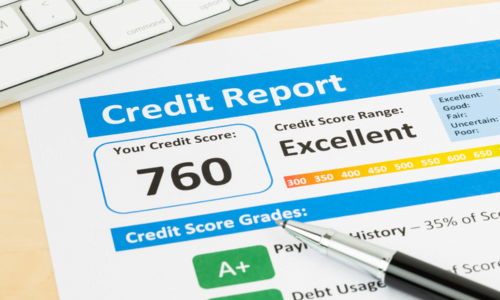
I already mentioned establishing a line of credit for your business can help you access cash when you need it, but you also need to be careful about managing this credit.
I’ve seen it one too many times: a business owner pulls a credit card to use as an “emergency fund” for unexpected business expenses, only for them to become too reliant on it. Soon enough, they find themselves deep in a pile of debt that puts their organization’s operations at risk.
A lack of sufficient credit management can seriously impact your cash flow. How? The more debt you’re in, the more payments you have to make to your creditor, which impacts how much money you can keep in your reserve.
Implement the Right Invoicing Strategies To Collect Payments Fast
You could be the best business in your industry and deliver nothing but top-quality products and services, and you’ll still struggle to collect payment from some customers. I’ve been in the business financial consulting industry for quite some time now, and I can tell you that this problem affects businesses of all industries.
If your customers don’t pay when you need them to, you could struggle to pay your own bills or manage a sufficient cash reserve. So, how do you get people to pay up? While I can’t give you a fool-proof solution that gets 100% of your customers to pay when you need them to, I can suggest a few strategies to help you collect payments faster:
- Establish an invoicing schedule: If you don’t send your customers an invoice, there’s a good chance that they won’t pay you. Stay on top of your invoicing by making it a point to send out invoices weekly, monthly, or bi-weekly.
- Use invoicing software: I’ve said it once, and I’ll say it again: embrace technology! Invoicing software automates this tedious task, so you have one less thing to worry about.
- Offer incentives for timely payment: Encourage your customers to pay sooner by incentivizing them with discounts. Conversely, you can charge late fees when they don’t pay you on time.
Confidently Negotiate Payment Terms With Your Vendors
When offering strategic financial planning advice to my clients, I always encourage them to negotiate with their vendors. Regardless of your industry, negotiation can be a powerful tool for cash flow maximization.
Ask your vendors about paying for certain products a little later. If you’ve done a good job managing your credit and have a solid repayment history, your vendor will be more likely to agree. While I can’t guarantee that all vendors will be open to negotiations, it’s certainly worth asking!
Keep Up With Your Taxes
One of the most common things businesses ask me about when seeking corporate financial advisory services is their tax obligations. It’s no secret that the tax side of running a business often comes with a certain level of confusion, but you need to stay on top of it to remain legally compliant and better manage your cash flow.
Be diligent with your bookkeeping and file your taxes on time. If you need professional help, you can always schedule a business financial consulting appointment or hire someone to do the books for you.
You also need to keep track of all your tax obligations, which can include:
- Excise
- Payroll
- Sales
Failing to keep up with your taxes could leave you with a surprise bill later that cuts into your cash reserve. Even worse, you could face major fines or penalties that put your organization in a difficult financial situation.
Streamline Your Inventory Management
Without your inventory, you wouldn’t have much cash inflow. So, it should go without saying that successful inventory management can do wonders for your cash flow maximizing efforts.
Think about where you can cut costs. For instance, I see a lot of small businesses storing their inventory in warehouses that they share with other companies. You could also boost your buying power by joining a purchasing group.

Take Advantage of Expert Financial Consulting Services
If you’ve tried maximizing your cash flow and have yet to find success or don’t even know where to start, don’t hesitate to look for professional guidance. You are an expert in your business, so I don’t expect you to know absolutely everything about managing cash flow. That’s why it’s important to get comprehensive corporate finance guidance from someone who specializes in it.
Use the Right Strategies To Maximize Cash Flow and Give Your Business a Financial Edge
As a small business owner, you have a lot on your plate. From keeping customers happy to taking care of your team and managing finances, it can be a lot.
I’ve provided consulting and financial assessment services for years, and one thing I can tell you is that if you don’t properly maximize your cash flow, you could start seeing problems in other areas of your business. The good news is that you have several cash-maximizing strategies at your disposal.
The Bottom Line
If finding the right strategy for your business seems confusing or overwhelming, don’t panic. I have years of experience providing business financial consulting services, so I know how challenging it can be. I also know that no two businesses are alike, and some methods will work better for you than others.
Let’s talk about it. You can call me directly at (561) 933-7163 or contact me online to start a conversation and financial evaluation. Learn more today.