Improving your business and streamlining your workflows is not a one-time, one-and-done event. Businesses need to always be making improvements, especially small businesses that are in a competitive niche.
But how exactly can you continue making improvements? It means always optimizing your processes and looking for redundancies to eliminate. With that in mind, let’s cover some useful small business strategies for continuous improvement.
Contact Susan Giddings Consulting LLC if you would like to explore small business consulting!
Define Goals
Improvement doesn’t mean much if you don’t have a clear road map. ‘Improvement to what?’ is the main question you should be asking yourself. To that end, any improvement strategy requires that you sit down and define specific goals. These goals need to be tangible and measurable, so you know for certain whether you have achieved them.
For example, your goal could be to increase annual revenues by 10%. Or your goal could be to reduce operations overhead by 15%. Regardless of the specifics, it needs to be something you can track using metrics and data analytics. Otherwise, you won’t have a clear goal to work towards and won’t know whether you are improving.

Foster a Culture of Experimentation
Your business cannot grow if you and your team are unwilling to experiment and try new ideas. Your team needs to be willing to take risks and must be comfortable enough expressing ideas for improvement.
As a small business advisor, I present several ways to help foster a culture of openness and experimentation, such as:
- Implementing a feedback system. Employees can give anonymous feedback and suggestions for the workplace.
- Consider doing one-on-one check-ins with team members to hear their thoughts, concerns, and ideas about the workplace.
- During meetings, make sure that all relevant information is shared on a central database, so everyone has access to documents.
These are all ideas I integrate into my own small business consulting firm. Experimentation helps your organization respond to unexpected changes and adapt to new conditions. Even if your ideas don’t succeed, you will have useful data for the next step of iterative improvement.
Don’t Be Afraid to Pivot
Business needs are always changing, and your plans may change. When the market dictates it, don’t be afraid to pivot your business growth strategies. Adapting to market conditions and consumer demand is the key to pivoting successfully. Pivoting helps you retool existing products, marketing schemes, and resources for different purposes.
Pivoting doesn’t have to mean completely changing your company brand and identity. It just means making adjustments so you can best take advantage of the current business landscape. The market is always changing, so your business needs a flexible structure that can keep up.
Skill Development
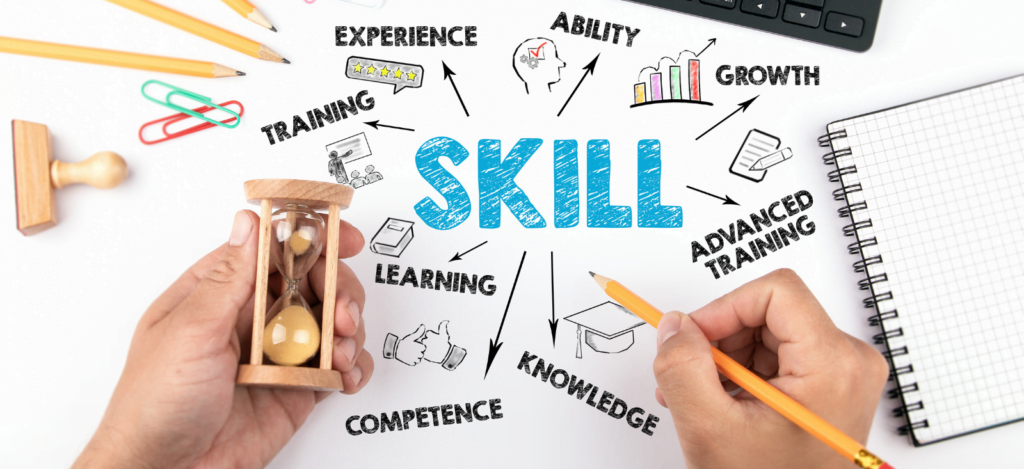
One thing I’ve learned with my entrepreneurial consulting and small business management consulting is that the ability of a business depends directly on the skills of its employees. If you want to maintain continual business growth, you need to ensure your talent is growing right alongside your business. Aside from a productivity standpoint, workers are more likely to feel motivated and satisfied at a workplace that helps them foster and grow their individual skill set.
Things like formal training, on-the-job training, and professional mentorships can help your team maximize their skills and drive your business to new heights.
Small Business and Startup Consulting Services
Are you looking for methods of continuous business improvement? Are you interested in implementing new strategies so your business will grow? If so, contact Susan Giddings Consulting LLC at (562) 933-7163 or send me a message online to schedule small business consulting services!